
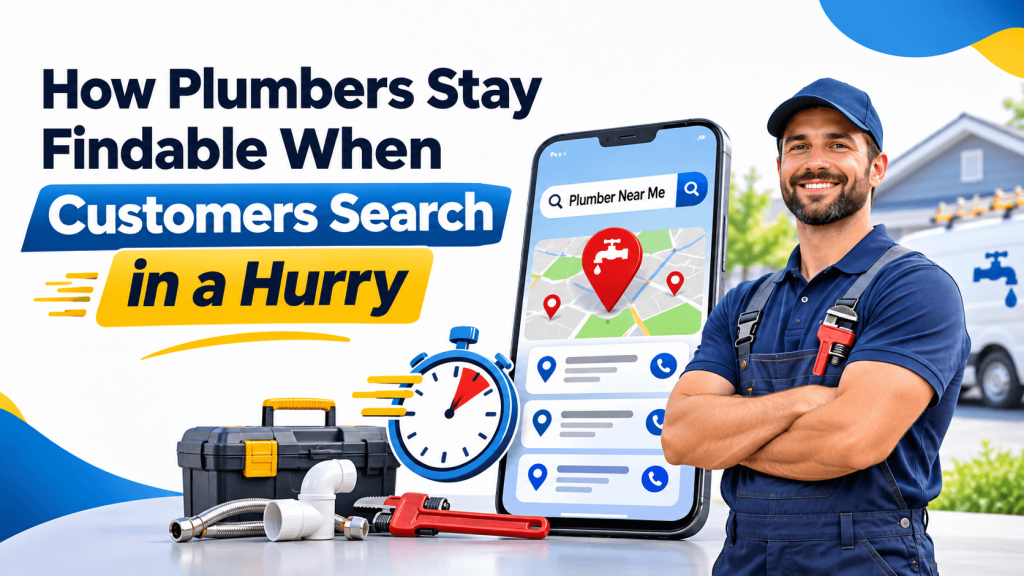
A water heater fails at 9 p.m. on a Sunday. The homeowner grabs a phone, types "emergency plumber near me," and calls one of the first few businesses that look open and trustworthy. That decision often takes less than a minute, and it rarely involves visiting more than one or two websites.
For plumbers, HVAC techs, and other home service trades, local search visibility comes down to being present, accurate, and believable at that exact moment.
What Shapes Results for Urgent Local Searches
Google explains that its local results are based mainly on relevance, distance, and prominence. Relevance is how well your business profile matches what someone searched. Distance is how close you are to the searcher or the location they named. Prominence reflects how well known your business is, which can include reviews, links, and mentions across the web. You can read Google’s own summary in its tips to improve your local ranking.
None of these factors can be bought or switched on overnight, but each one responds to consistent, honest work.
Make Your Service Details Impossible to Misread
Urgent customers want three answers fast: Do you handle my problem? Do you serve my area? Can I reach you now? Spell out specific services such as drain cleaning, sewer line repair, or water heater replacement rather than a vague "plumbing services" line. List the towns or ZIP codes you cover, and keep after-hours availability current.
Consider a two-truck plumbing company outside Columbus that offers 24-hour service but lists "8 a.m. to 5 p.m." on an old directory profile. A customer who checks that listing at night may assume the company is closed and call someone else.
Keep Every Listing Telling the Same Story
Your business name, address, phone number, and hours should match on your website, your Google Business Profile, and every online business directory where you appear. Mismatched phone numbers are a common problem for trades that switched to call-tracking lines or added a second office.
Relevant directories also give customers another place to confirm you are legitimate. A well-maintained profile in RealDir’s Plumbing and Plumbers directory lets homeowners compare local plumbers, check your contact details, and click through to your website. Treat it as one piece of a broader local SEO effort, not a shortcut.
Conclusion
Customers in a hurry reward businesses that are easy to verify. Start by auditing your top five listings this week, correct anything outdated, and add the services and hours you actually offer. If you are not yet listed on RealDir, adding an accurate profile is a simple next step toward being found when it matters.
Frequently Asked Questions
Should I list my home address if I run a service-area plumbing business?
Not if you don’t serve customers there. Google Business Profile lets service-area businesses hide their address and show the areas they cover instead. On directories, follow each site’s rules, but keep your business name and phone number identical everywhere so customers and search engines can match your listings.
Does showing 24/7 availability help me get more emergency calls?
It helps only if it’s true. Accurate hours let customers know they can reach you when something breaks. Listing round-the-clock service you can’t deliver leads to missed calls, frustrated customers, and negative reviews, which hurts your reputation more than leaving the hours off.
How often should a plumbing company review its online listings?
A quick check every quarter works for most small companies, plus an immediate update whenever your phone number, hours, service area, or ownership changes. Seasonal businesses may also want to update holiday hours and promotions before their busiest months, such as early winter when frozen and burst pipes become common.
Is a call-tracking number a problem for my business listings?
It can be if different numbers appear on different sites with no clear primary number. Many marketers recommend keeping your main local number as the primary phone and adding a tracking number only where the platform supports a secondary number field.

admin
We help consumers find and connect with trusted local businesses, and help businesses amplify their online visibility.